
Protein has had a long run as the undisputed star of the nutrition world. High-protein diets, protein shakes before workouts, protein bars as afternoon snacks — for the better part of a decade, protein has dominated every health conversation. But in 2026, something unexpected is knocking it off the pedestal.
It’s fiber. And honestly, it’s been waiting for this moment for a very long time.
The trend is called fibermaxxing — and unlike most things that go viral on TikTok, this one is backed by decades of legitimate nutritional science. Here’s everything you need to know about it, why it matters for your gut specifically, and how to actually start doing it without suffering through a week of uncomfortable bloating.
What Is Fibermaxxing?
Fibermaxxing (sometimes written as “fiber maxing”) is exactly what it sounds like: the intentional practice of maximizing your daily fiber intake by making high-fiber foods a deliberate priority at every meal. It started gaining serious traction on TikTok throughout 2025, where users shared colorful, fiber-packed meals and documented the digestive and energy improvements they experienced.
According to The Food Institute, fiber has officially overtaken protein as the nutrition world’s most talked-about macronutrient heading into 2026, with registered dietitian Melanie Murphy Richter calling it “the unsung hero of modern nutrition.” PepsiCo CEO Ramon Laguarta told analysts in late 2025 that “fiber will be the next protein” — a telling sign of just how mainstream this shift has become. (FitnessFasto)
The Fiber Gap Nobody Talks About
Before getting into what fibermaxxing involves, it helps to understand the problem it’s addressing — because the numbers are genuinely striking.
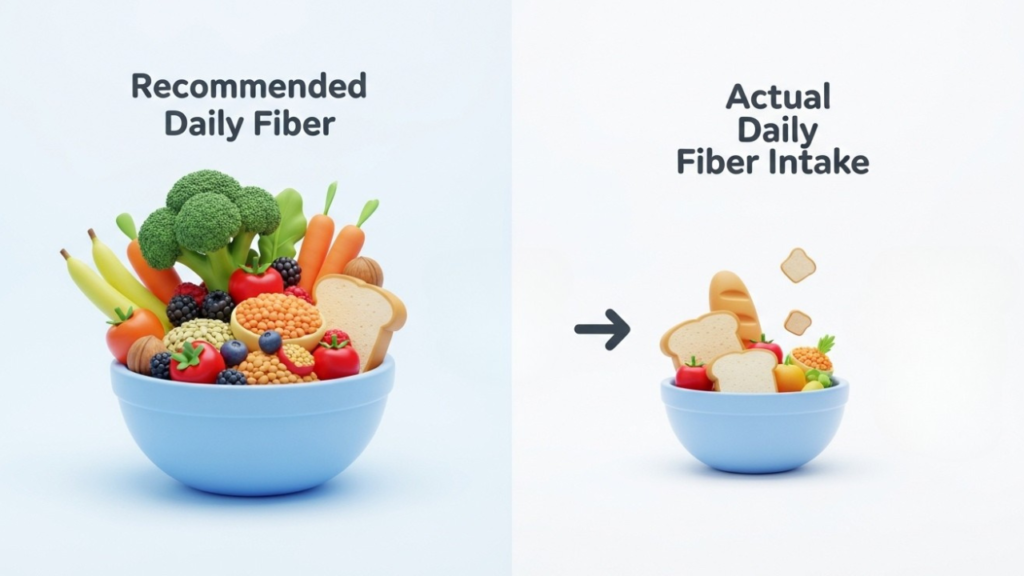
According to UCLA Health’s senior dietitian Yasi Ansari, more than 90% of women and 97% of men in the United States don’t meet the recommended daily fiber intake of 25–38 grams. Most people are averaging around 15 grams a day — roughly half of what’s recommended.
The American Society for Nutrition found that only 7% of American adults hit the daily fiber target. Meanwhile, billions of dollars are spent annually on probiotic supplements, digestive aids, and gut health products.
The irony is significant: the most powerful tool for gut health doesn’t come in a capsule and it doesn’t cost much. It comes from eating more plants.
Why Fiber Is So Powerful for Your Gut
When you eat fiber, your gut bacteria ferment it and produce short-chain fatty acids (SCFAs) — particularly butyrate, propionate, and acetate. These SCFAs nourish the cells lining your gut wall, reduce inflammation, regulate your immune system, and travel through your bloodstream to influence brain chemistry through the gut-brain axis.
Recent research from Stanford University, highlighted by Gut Microbiota for Health, found that SCFAs can modulate gene expression — influencing cell proliferation and cancer control through epigenetic mechanisms. It’s a remarkable finding that goes well beyond basic digestion.
Beyond the gut, a consistently high-fiber diet is linked to:
- Lower LDL cholesterol and reduced cardiovascular disease risk
- Better blood sugar control and meaningfully lower type 2 diabetes risk
- Healthier body weight through improved satiety
- Significantly reduced colon cancer risk
- Better mood and cognitive function through SCFA production and gut-brain signaling
Dr. Sophie Lin from Houston Methodist describes fibermaxxing as a practice that “focuses on increasing fiber intake to promote digestive health and overall well-being.” Unlike most diet trends, the evidence behind fiber spans decades and comes from multiple independent research streams. (FitnessFasto)
Quantity vs. Diversity: The Nuance Experts Are Pushing
This is where fibermaxxing gets interesting — and where the smartest nutrition experts are moving the conversation in 2026.
It’s not just about eating more fiber. It’s about eating more types of fiber.
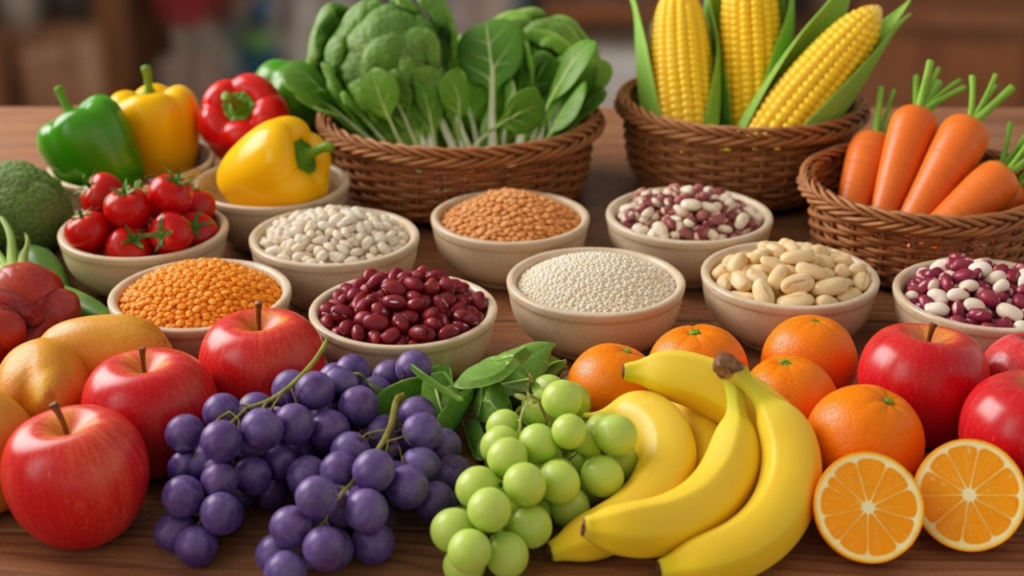
Different plant foods contain structurally different fibers, and different gut bacteria species feed on different fiber types. According to Mintel’s 2026 Global Food & Drink Report, consumer focus is already shifting “from maximization to balance,” with both shoppers and researchers recognizing that fiber diversity — not just total fiber grams — is what builds a genuinely thriving gut microbiome.
Registered dietitian Melissa Jaeger puts it plainly: “I believe that fiber is becoming the new protein, but the focus should be on ‘fiber diversity,’ not just fiber quantity.” (Our Healtho)
Think of it like a nature reserve with multiple ecosystems rather than a single crop field. More variety in fiber = more variety in gut bacteria = stronger, more resilient microbiome.
The Best High-Fiber Foods to Start Eating Now
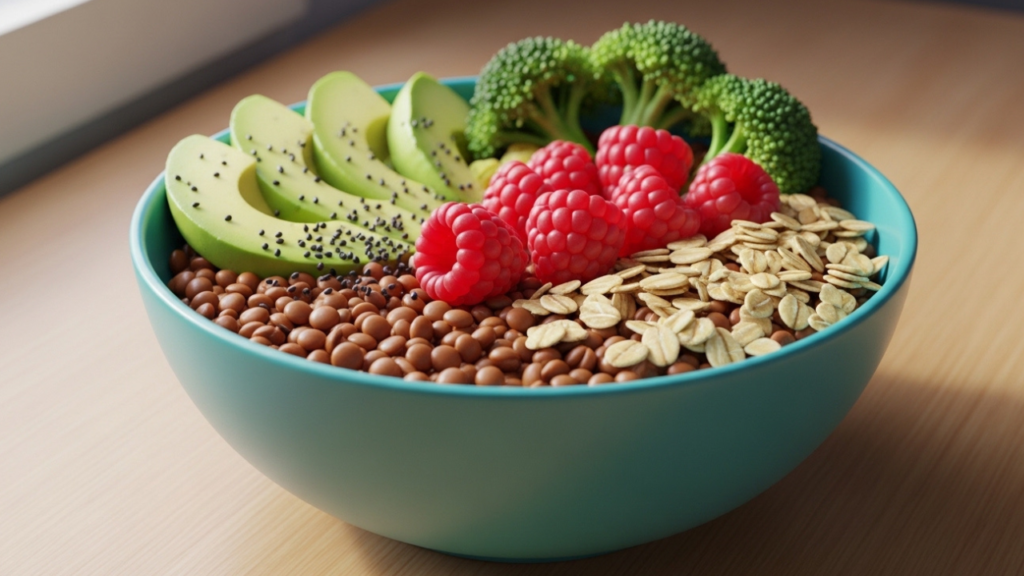
Legumes (lentils, chickpeas, black beans) — 7–9g per half cup. Genuinely the most underrated gut health food in the average grocery store. Cheap, versatile, and highly effective.
Raspberries and blackberries — 8g per cup. One of the highest-fiber fruits available with almost no effort required.
Oats — Around 4g per cup plus beta-glucan, a specific prebiotic fiber that directly feeds Bifidobacterium.
Chia seeds — 10g per ounce. They swell in liquid, slow digestion, and feed gut bacteria simultaneously.
Avocado — Half an avocado delivers 5g of fiber along with healthy fats that support the gut lining.
Broccoli — 5g per cup, plus natural compounds that actively support gut bacteria diversity beyond fiber alone.
Green bananas — Rich in resistant starch, a prebiotic fiber that ripe bananas lose as they sweeten.
Whole grain bread and brown rice — Swapping refined carbs for whole grain versions is one of the most impactful single dietary changes for fiber intake and is easy to maintain long-term.
As UCLA Health’s Yasi Ansari notes, a single breakfast of bran cereal (14g) with a cup of mixed fruit (3–5g) gets you nearly halfway to your daily fiber goal before lunch. It genuinely doesn’t need to be complicated.
How to Increase Fiber Without Bloating Yourself Out
This is the step most people skip — and then wonder why they feel terrible three days into fibermaxxing.
If your current fiber intake is low, increasing it suddenly sends your gut bacteria into overdrive. The result is predictable: bloating, gas, and sometimes constipation. Ohio State dietitian Candace Pumper recommends increasing fiber by no more than 3–5 grams every few days, not all at once.
Dr. Sophie Lin from Houston Methodist adds the other critical piece: when you increase fiber, water intake must increase proportionally. Fiber absorbs water to do its job — without enough hydration, it can actually slow digestion instead of supporting it.
A good rule of thumb from the research: drink one fluid ounce of water per kilogram of body weight daily when actively increasing fiber intake.
Is Fibermaxxing Right for Everyone?

For most healthy adults, yes — the benefits are well-established and the risks of eating more whole plant foods are essentially zero when introduced gradually. However, Ohio State Health notes that people with IBS, Crohn’s disease, or ulcerative colitis should consult a registered dietitian before significantly increasing fiber, as certain fiber types can temporarily aggravate those conditions during flare-ups.
Older adults and anyone taking corticosteroids like prednisone should also check with their primary care provider before making large dietary changes.
A Simple Week-by-Week Starter Plan
Week 1: Add one extra serving of vegetables to one meal per day. Don’t change anything else yet.
Week 2: Swap one refined grain for a whole grain — white rice to brown rice, regular pasta to whole wheat.
Week 3: Add one legume-based meal per week. A simple lentil soup or chickpea salad works perfectly.
Week 4 onward: Introduce chia seeds, flaxseeds, and a wider variety of seasonal fruits. Rotate your fiber sources to keep diversity high.
Slow and steady doesn’t just prevent discomfort — it actually lets your microbiome adapt and diversify properly as you go.
Frequently Asked Questions (FAQs)
The recommended daily intake is 25 grams for women and 38 grams for men, according to the Department of Health and Human Services. Most Americans currently average around 15 grams — roughly half the target.
For most healthy adults, yes. Increase gradually — 3–5 grams every few days — and drink more water alongside it. Jumping from low to very high fiber intake overnight causes uncomfortable but temporary digestive symptoms.
No. Whole food fiber sources deliver fiber alongside vitamins, minerals, polyphenols, and diverse plant compounds that supplements simply can’t replicate. Supplements can be a useful backup but shouldn’t replace food-first fiber.
Yes, directly. When gut bacteria ferment fiber they produce SCFAs that influence brain chemistry through the gut-brain axis. Higher fiber diversity is consistently associated with better mood, lower anxiety, and improved cognitive function.
Start simple: oats at breakfast, an apple as a snack, and swap white rice for brown at one meal. Those three changes alone can add 8–10 grams of fiber daily without requiring any special recipes or unusual ingredients.
The Bottom Line
Fibermaxxing isn’t just a trending hashtag — it’s a timely reminder that the most powerful gut health tool available has been sitting in your pantry and produce section this entire time. You don’t need to obsess over daily fiber grams or completely rebuild your diet overnight. You just need to eat more plants, eat more variety, and do it consistently enough that it actually becomes a habit.
Add a handful of berries to your morning, swap your white bread for whole grain, and throw some lentils into whatever you’re making for dinner. Your gut bacteria will get to work immediately — and you’ll likely feel the difference within a week.