
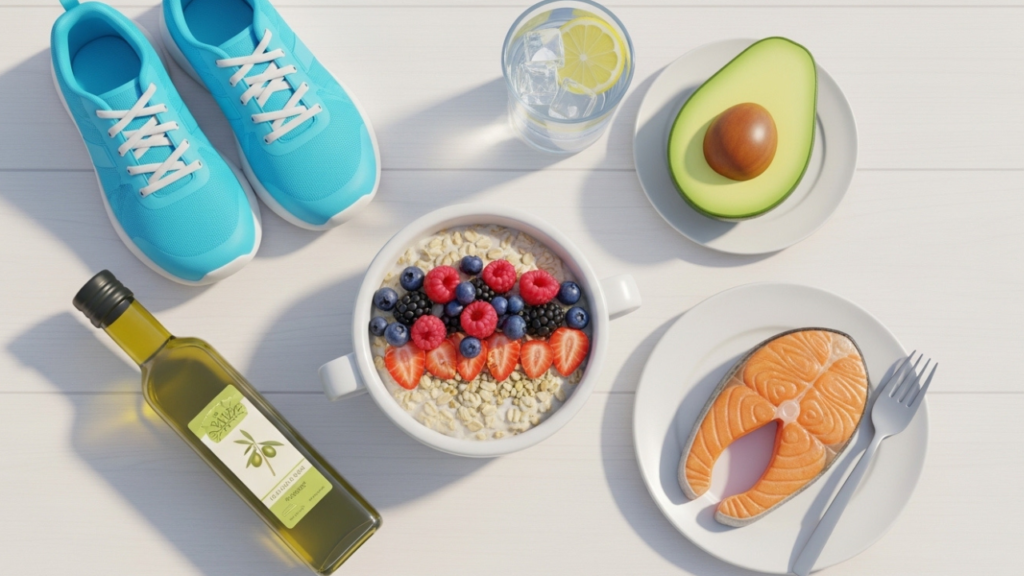
Before the practical steps, it helps to have realistic expectations about what lifestyle change can achieve.
For people with mildly to moderately elevated LDL, comprehensive dietary and lifestyle changes can reduce LDL by 20 to 30% in many cases. The Portfolio Diet research, which combines the most evidence-backed cholesterol-lowering foods, has produced LDL reductions of 20 to 30% in clinical trials, comparable to low-dose statin therapy.
That is a meaningful number. The difference between a statin and a well-executed dietary approach is not necessarily the size of the LDL reduction. It is the compliance required. A pill is easier. A comprehensive dietary change takes consistent effort. But for motivated people who prefer to avoid medication, or who want to maximize the effect of medication they are already taking, lifestyle interventions offer real, quantifiable benefit.
What is actually achievable without medication
For people with familial hypercholesterolemia or very high baseline LDL, the same lifestyle improvements are valuable and should be implemented, but medication is also typically necessary and the two approaches work better together than either alone.
For everyone else with mildly to moderately elevated cholesterol, the steps below, done consistently and combined, can produce results that genuinely surprise most doctors when they see the follow-up lipid panel.
Step 1: Fix the fat you are eating
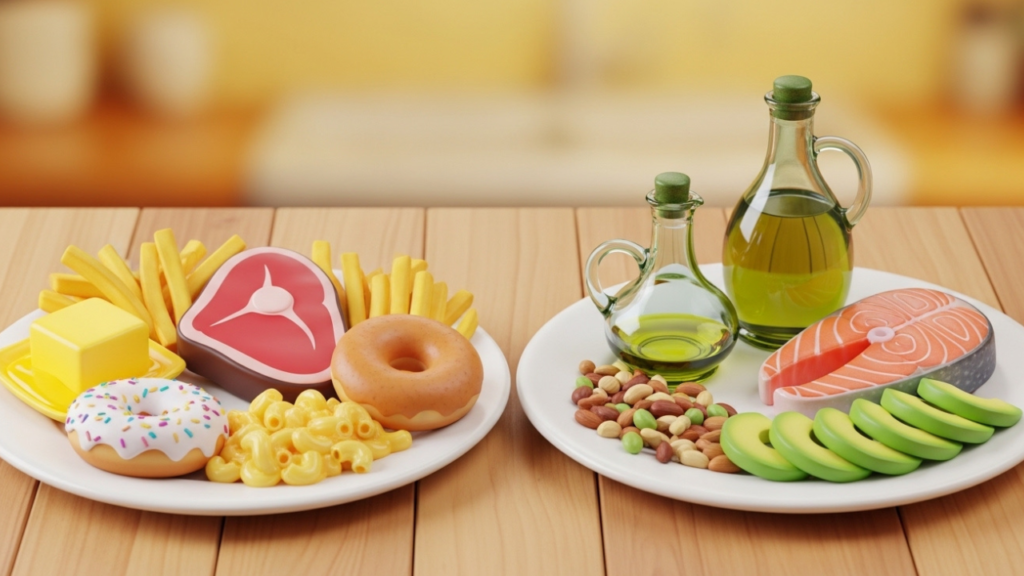
The single most impactful dietary change for most people with elevated LDL is replacing saturated fat with unsaturated fat.
Saturated fat (primarily in fatty red meat, butter, full-fat dairy, coconut oil, and palm oil) reduces the liver’s ability to clear LDL from the bloodstream by reducing the activity of LDL receptors on liver cells. Replacing saturated fat with monounsaturated fat (olive oil, avocado, most nuts) or polyunsaturated fat (fatty fish, walnuts, flaxseeds) consistently lowers LDL in controlled feeding trials. A landmark meta-analysis published in the American Journal of Clinical Nutrition covering over 350,000 people found that replacing saturated fat with polyunsaturated fat was associated with significantly lower coronary heart disease risk.
Practical changes: Switch from butter to extra virgin olive oil as your default cooking fat. Replace fatty red meat with fatty fish, legumes, or poultry without skin for at least half your protein meals. Use avocado instead of butter or cream cheese on toast. Switch from full-fat to low-fat dairy if you eat significant amounts.
Step 2: Add soluble fiber systematically
Soluble fiber is the single most evidence-backed dietary intervention for LDL reduction. The goal is to get at least 10 to 25 grams of soluble fiber daily, significantly more than most people currently consume.
Systematic approach: Start every day with oatmeal (3 grams of beta-glucan per one and a half cups cooked). Add one serving of legumes to at least one meal per day (lentil soup, chickpea salad, black beans in a burrito bowl). Eat an apple most days (one apple provides roughly 1 gram of soluble fiber as pectin). Add one tablespoon of ground flaxseed to oatmeal, yogurt, or smoothies daily. Include a vegetable serving at every meal.
These additions do not require exotic ingredients. Oats, lentils, apples, and vegetables are available everywhere at modest cost.
Step 3: Add plant sterols
Plant sterols directly block cholesterol absorption in the intestine and are one of the most effective cholesterol interventions available. The European Food Safety Authority and FDA both recognize their cholesterol-lowering effect. Getting 2 grams of plant sterols daily from natural food sources requires prioritizing wheat germ, sesame seeds, sunflower seeds, pistachio nuts, legumes, and cruciferous vegetables daily. Plant sterols are most effective when consumed with meals, since they need to be present in the intestine at the same time as dietary cholesterol to compete for absorption.
Step 4: Move your body in the right way
Exercise has a complex and beneficial relationship with cholesterol. It does not dramatically lower LDL in most research, but it meaningfully raises HDL, lowers triglycerides, reduces inflammation, and improves the LDL particle profile (shifting toward larger, less dangerous particles). The American Heart Association recommends at least 150 minutes of moderate-intensity aerobic activity per week, or 75 minutes of vigorous activity.
Resistance training adds to the benefit by improving insulin sensitivity over time, which lowers triglycerides and raises HDL. Two sessions per week of resistance training is the standard recommendation.
The most important factor is consistency over intensity. Four 40-minute walks per week, sustained for months, is more beneficial for lipid profiles than intense exercise performed sporadically.
Step 5: Address weight if relevant
Excess body fat, particularly visceral fat stored around the abdominal organs, is a meaningful driver of unfavorable lipid profiles. Visceral fat releases fatty acids and inflammatory compounds that raise triglycerides, lower HDL, and promote small, dense LDL formation. Research consistently shows that even modest weight loss of 5 to 10% of body weight produces meaningful improvements in triglycerides, HDL, and LDL in overweight individuals.
The important nuance: weight loss is not necessary for cholesterol improvement for people at a healthy weight. The dietary changes described in steps 1 through 3 improve cholesterol regardless of whether weight changes, through mechanisms independent of body weight.
Step 6: Quit smoking
Smoking damages arterial walls, raises LDL, lowers HDL, increases oxidative stress that oxidizes LDL into its more dangerous form, promotes blood clotting, and creates widespread inflammation throughout the cardiovascular system. Quitting smoking raises HDL cholesterol by 5 to 10% within a year. It reduces oxidized LDL, reduces arterial inflammation, and dramatically reduces overall cardiovascular risk within years of cessation regardless of how long someone smoked before quitting.
No dietary strategy meaningfully compensates for active smoking from a cardiovascular risk standpoint. Quitting is the highest-leverage single behavioral change available to smokers.
Step 7: Rethink alcohol

Moderate alcohol consumption has long been associated with slightly higher HDL cholesterol, which was used to frame moderate drinking as cardiovascular-protective. More recent and more rigorous research has significantly complicated this picture. A major genetic study published in The Lancet using Mendelian randomization found no safe level of alcohol consumption from a net health standpoint.
While moderate alcohol slightly raises HDL, it also raises triglycerides, increases blood pressure, and carries numerous other health risks. For people who do drink, limiting consumption to one or fewer drinks per day and eliminating high-sugar cocktails and heavy drinking is the most relevant practical advice.
Step 8: Manage stress
Chronic psychological stress elevates cortisol, which stimulates the liver to produce more cholesterol. It also promotes inflammatory responses, disrupts sleep, and often leads to compensatory behaviors like overeating and reduced exercise that further worsen lipid profiles. Research has found that work stress, relationship stress, and financial stress are all associated with less favorable lipid profiles, independent of diet and exercise.
Stress reduction techniques with the best research behind them for physiological health outcomes include regular aerobic exercise, mindfulness meditation, adequate social connection, and structured approaches to workload and boundary-setting.
Step 9: Get enough sleep
Sleep is increasingly recognized as a significant modifiable cardiovascular risk factor. Research published in Sleep found that sleeping fewer than six hours per night was associated with significantly higher rates of high cholesterol compared to those sleeping seven to eight hours. The mechanisms include elevated cortisol from sleep deprivation, increased appetite and poorer dietary choices when tired, reduced insulin sensitivity, and increased inflammatory markers that promote LDL oxidation.
Seven to nine hours of sleep for most adults, with consistent sleep and wake times, is the evidence-based recommendation from the American Academy of Sleep Medicine for cardiovascular health.
Putting it all together: a week in practice
Here is what implementing these steps simultaneously looks like in a realistic weekly framework.
Every day: Oatmeal or barley at breakfast, one serving of legumes at lunch or dinner, extra virgin olive oil as the primary cooking fat, at least one piece of fruit, a handful of mixed nuts as a snack, 30 minutes of walking or movement.
Three to four times per week: Fatty fish (salmon, mackerel, sardines) at dinner, a fermented food (kefir, yogurt, kimchi, or sauerkraut) at a meal, a dedicated workout session beyond daily walking.
Weekly: Meal prep that front-loads legumes (batch cooking lentils or chickpeas), replacing a red meat meal with a plant-protein-centered alternative (lentil Bolognese, chickpea curry, tofu stir-fry), reviewing sleep quality and making adjustments if needed.
Consistently avoid: Butter as a cooking default, processed meats, ultra-processed snack foods, sugary drinks, heavy alcohol consumption.
This framework is not a rigid plan. It is a set of defaults that, followed most of the time, produces meaningful cholesterol improvement over weeks to months.
When you need medication despite doing everything right
Some people implement comprehensive lifestyle changes diligently and still have elevated LDL that places them at meaningful cardiovascular risk. This is not a failure. Genetics account for a substantial portion of baseline cholesterol, and some people require medication to reach safe levels regardless of how well they eat and exercise.
The decision to use cholesterol-lowering medication should be based on overall cardiovascular risk (which combines cholesterol levels with blood pressure, smoking status, age, family history, diabetes status, and other factors) rather than cholesterol numbers alone. This is a conversation to have with your doctor using your complete risk picture.
For people who do need medication, lifestyle changes are still worthwhile. They reduce the medication dose required to reach target levels, provide cardiovascular benefits beyond cholesterol that medication does not address, and improve overall health independently of their cholesterol effect.
Frequently Asked Questions (FAQs)
Measurable LDL changes typically appear within four to six weeks of consistent dietary changes. The full effect of a sustained dietary pattern takes three to six months to fully manifest. Blood tests before and after a sustained period of changes are the best way to assess your personal response.
For most people with elevated LDL, reducing saturated fat while increasing soluble fiber simultaneously produces the largest and most rapid improvement. Practically, this means switching from butter and red meat as defaults to olive oil, fatty fish, and legumes.
Regular aerobic exercise is the most reliable HDL-raising intervention available. Replacing refined carbohydrates with healthy fats (olive oil, avocado, nuts) and reducing excess alcohol also raise HDL meaningfully over time.
Current evidence does not support completely eliminating saturated fat from the diet. The goal is reducing the dominant sources (butter, fatty red meat, full-fat processed dairy) and replacing them with unsaturated alternatives. Small amounts of saturated fat in otherwise whole foods (eggs, full-fat yogurt, some cheese) are not the primary concern.
The Mediterranean diet, or the Portfolio Diet variation of it, has the strongest evidence base of any dietary pattern for cardiovascular risk reduction. Both patterns center on olive oil, legumes, fish, vegetables, fruits, and nuts, with minimal processed food. Either is a well-supported framework.
The Bottom Line
The research on cholesterol management without medication is some of the most consistently encouraging in all of nutritional science. Twenty to thirty percent LDL reductions from dietary changes alone, raising HDL through exercise, lowering triglycerides by reducing sugar, all of these are achievable, free of medication side effects, and provide cascading benefits to every other aspect of your health at the same time. Start with the fat swap and soluble fiber, add the rest progressively, and check your numbers in three months.