
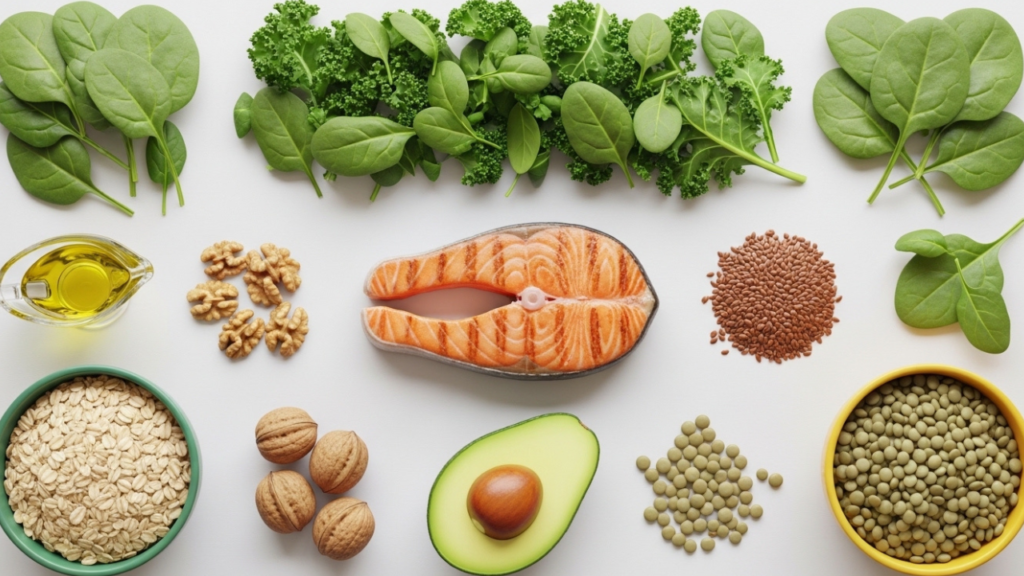
Food influences LDL cholesterol through several distinct mechanisms. Understanding these helps explain why different foods work and why combining multiple approaches produces better results than any single food.
Soluble fiber binds to bile acids in the small intestine. Because bile acids are made from cholesterol, binding them forces the liver to pull more cholesterol from the blood to make new ones, directly lowering circulating LDL.
Polyunsaturated and monounsaturated fats replace saturated fats at the cell surface level. Saturated fats reduce the activity of LDL receptors on liver cells, slowing the rate at which the liver clears LDL from the blood. Replacing them with unsaturated fats improves receptor function and LDL clearance.
Plant sterols and stanols have a molecular structure similar enough to cholesterol that they compete for absorption in the intestine, blocking cholesterol uptake and reducing the amount entering the bloodstream.
Antioxidants reduce LDL oxidation, which matters because oxidized LDL is significantly more dangerous and inflammatory than unoxidized LDL.
Oats and beta-glucan
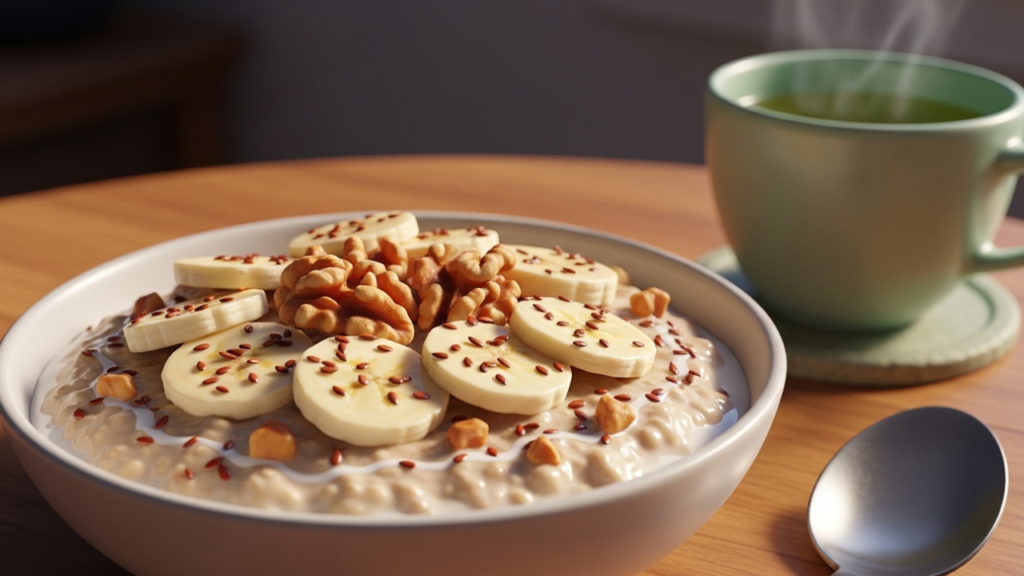
Oats are the most well-studied food for LDL reduction. The active compound is beta-glucan, a type of soluble fiber found in the cell walls of oat grains. Beta-glucan forms a thick gel in the small intestine that traps bile acids and prevents their reabsorption.
A meta-analysis published in the American Journal of Clinical Nutrition covering 58 controlled trials found that beta-glucan consistently and significantly reduced both total cholesterol and LDL. The effect is dose-dependent: approximately three grams of beta-glucan per day (found in roughly one and a half cups of cooked oatmeal) produces meaningful LDL reductions of 5 to 10% in most people.
The FDA has authorized a health claim stating that foods containing at least 0.75 grams of beta-glucan per serving may reduce the risk of heart disease. Barley contains even higher beta-glucan levels than oats and is an equally effective but underused option.
Legumes
Lentils, chickpeas, kidney beans, black beans, and other legumes are among the most powerful cholesterol-lowering foods available, and they are also among the most affordable. A systematic review published in the Canadian Medical Association Journal analyzing 26 randomized controlled trials found that eating one serving of legumes per day (approximately three quarters of a cup cooked) reduced LDL cholesterol by an average of 5% with no other dietary changes required.
Legumes work through multiple mechanisms: soluble fiber (including pectin and resistant starch), plant protein that modulates cholesterol metabolism, and phytosterols. Canned legumes are as effective as dried cooked legumes for cholesterol reduction. Rinsing canned legumes reduces sodium content significantly.
Fatty fish
Fatty fish (salmon, mackerel, sardines, herring, anchovies) do not directly lower LDL cholesterol but have a meaningful impact on cardiovascular risk through several distinct mechanisms. Omega-3 fatty acids from fatty fish significantly lower triglycerides, often by 20 to 30% in people with elevated levels. They also modestly raise HDL, reduce platelet aggregation (reducing clotting risk), reduce arterial inflammation independently of cholesterol, and shift LDL particles from the small, dense, more dangerous form toward larger, less dangerous particles.
The American Heart Association recommends two servings of fatty fish per week as part of a heart-healthy diet. Sardines and mackerel are among the most affordable options and have among the highest omega-3 concentrations per serving.
Nuts, especially almonds and walnuts
Nuts are high in monounsaturated and polyunsaturated fats, fiber, plant protein, and plant sterols, making them one of the more comprehensively beneficial foods for cholesterol management. A meta-analysis of 25 nut feeding trials found that eating approximately 67 grams of nuts per day (about a handful) reduced total cholesterol by 5.1%, LDL by 7.4%, and triglycerides by 10.2% in people with elevated triglycerides.
Walnuts are unique among nuts for their very high content of alpha-linolenic acid (ALA), a plant-based omega-3. A study in Circulation found that replacing typical snacks with walnuts daily for two years reduced LDL and improved several other cardiovascular risk markers. Almonds have the most evidence specifically for LDL reduction among individual nuts.
Extra virgin olive oil
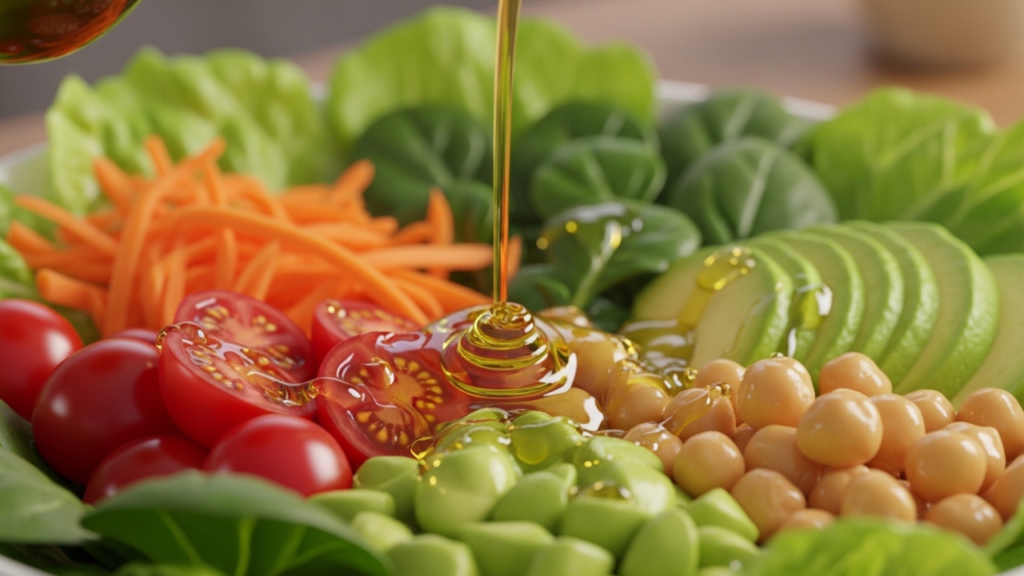
Extra virgin olive oil reduces LDL through its high monounsaturated fat content, which improves LDL receptor function. But it also adds a benefit that other monounsaturated fat sources do not: polyphenols that reduce LDL oxidation. The polyphenols in EVOO protect LDL particles from oxidative damage, changing the character of LDL in the bloodstream even when total LDL levels stay similar.
A large trial published in the New England Journal of Medicine (the PREDIMED study) found that a Mediterranean diet supplemented with extra virgin olive oil reduced major cardiovascular events by 30% compared to a low-fat diet. Use EVOO as your primary cooking and dressing fat, replace butter on bread, and use it generously in salad dressings. The quantity used in most research showing benefit is four or more tablespoons per day.
Avocado
Avocado is uniquely high in monounsaturated fat (oleic acid, the same fat dominant in olive oil) alongside potassium, fiber, and plant sterols. A randomized controlled trial published in the Journal of the American Heart Association found that replacing saturated fat in the diet with avocado significantly reduced LDL cholesterol and the total cholesterol to HDL ratio. One avocado per day is the amount used in most research.
Plant sterols
Plant sterols are naturally occurring compounds in plant foods with a molecular structure similar to cholesterol. In the digestive tract, they compete directly with cholesterol for absorption, reducing the amount of cholesterol absorbed from food. The FDA has approved a qualified health claim for plant sterol esters and reduced risk of coronary heart disease. The effective daily dose is at least 2 grams.
The foods highest in naturally occurring plant sterols include wheat germ, sesame seeds, sunflower seeds, pistachio nuts, almonds, olive oil, and legumes.
Soy protein
Soy is one of the few plant proteins that is considered complete (containing all essential amino acids). A meta-analysis published in the Journal of the American College of Nutrition found that replacing animal protein with soy protein (approximately 25 to 50 grams per day) reduced LDL cholesterol by an average of 4 to 8%. Good dietary soy sources include edamame, tofu, tempeh, and soy milk. Fermented soy products (tempeh, miso) provide the added benefit of probiotic content alongside the cholesterol effects.
Dark leafy greens
Spinach, kale, collard greens, and Swiss chard contain lutein (linked to reduced LDL oxidation and plaque accumulation), fiber, and compounds that support bile acid binding. They are also exceptionally low in calories relative to their nutrient content. The bile acid binding effect of leafy greens is enhanced by cooking. Steamed kale and cooked spinach are more effective for cholesterol reduction than raw in this specific mechanism.
Flaxseeds and chia seeds
Both flaxseeds and chia seeds are high in soluble fiber and alpha-linolenic acid (ALA omega-3), giving them dual cholesterol-related benefits. A meta-analysis of 28 randomized controlled trials found that whole flaxseed significantly reduced both total cholesterol and LDL.
Ground flaxseeds are more bioavailable than whole flaxseeds because whole seeds often pass through undigested. One to two tablespoons of ground flaxseed per day, added to oatmeal, smoothies, or yogurt, is the amount most commonly studied.
The Portfolio Diet: combining the best into one pattern
The Portfolio Diet was designed specifically to maximize LDL reduction through diet, combining four food groups: plant protein (soy and legumes), viscous fiber (oats, barley, psyllium), plant sterols, and nuts. A 2023 study in the European Heart Journal following over 200,000 adults for 22 years found that those most closely following the Portfolio Diet pattern had a 14% lower risk of cardiovascular disease mortality. Individual LDL-lowering trials show 20 to 30% reductions in LDL for full adherence, comparable to low-dose statin therapy.
The practical version simply means prioritizing the foods covered in this post daily, as a consistent pattern.
Foods that quietly raise your LDL
Trans fats, still found in small amounts in some commercial baked goods, are the most potent dietary driver of LDL elevation and HDL reduction simultaneously. Saturated fat, found primarily in fatty cuts of red meat, full-fat dairy, butter, coconut oil, and palm oil, consistently raises LDL in controlled feeding studies, particularly the small, dense, more dangerous LDL particles. Refined carbohydrates and added sugar primarily raise triglycerides and lower HDL rather than directly raising LDL, but both effects worsen overall cardiovascular risk.
Frequently Asked Questions (FAQs)
Measurable LDL reductions can appear within two to four weeks of consistent dietary changes. More substantial reductions from dietary interventions typically take two to three months of sustained changes to fully manifest.
For many people with mildly to moderately elevated LDL, meaningful reductions are achievable through diet alone. For people with familial hypercholesterolemia, very high baseline LDL, or established cardiovascular disease, medication is often necessary alongside dietary changes.
Oat milk contains much less beta-glucan than whole oats or oatmeal because it is highly diluted and processed. Oatmeal or rolled oats are significantly more effective for cholesterol reduction.
Filtered coffee (drip, pour-over) has minimal effect on cholesterol. Unfiltered coffee (French press, boiled coffee, espresso) contains cafestol and kahweol, compounds that raise LDL meaningfully. If cholesterol management is a priority, using a paper filter removes most cafestol.
They work through different mechanisms and are not really alternatives to each other. Statins reduce the liver’s cholesterol production. Diet reduces LDL absorption and improves clearance. Many cardiologists consider both together more effective than either alone.
The Bottom Line
You do not need to eat all of these foods simultaneously or follow a rigid plan. The most impactful single change for most people with elevated LDL is simply swapping butter and red meat as defaults for olive oil, fatty fish, and legumes. Add oats at breakfast, a handful of nuts as a snack, and a serving of legumes at one meal daily. Those four habits alone cover the majority of what the research supports.