
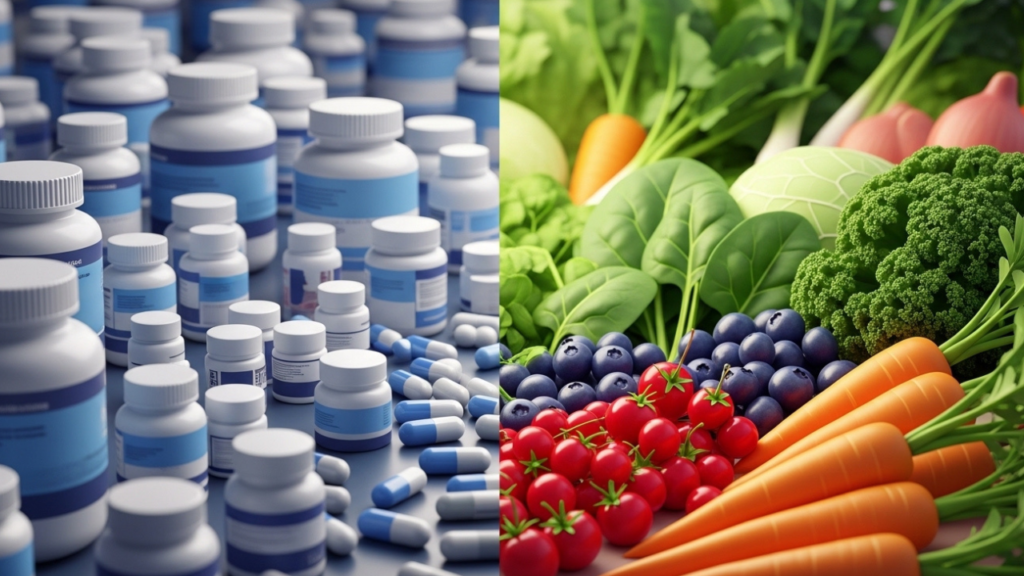
The antioxidant supplement market is worth tens of billions of dollars globally and is growing year over year. The pitch is straightforward: antioxidants protect your cells from damage, so concentrated antioxidant supplements must protect your cells even better than food.
It is a logical argument. It is also largely wrong, and understanding why it is wrong will save you money, protect you from potential harm, and redirect your energy toward what actually works.
The supplement industry’s core promise
When researchers isolate antioxidant compounds and test them in laboratory settings on cell cultures or animals, the results are often impressive. Isolated antioxidants neutralize free radicals, protect cells, reduce oxidative damage markers, and sometimes even reduce cancer cell growth in petri dishes.
This is where the marketing gets its evidence. “Studies show antioxidants protect against cancer” usually refers to these laboratory or animal studies. The problem is that results in a petri dish or a mouse do not reliably translate to the same results in a living human body. The human body is vastly more complex. Antioxidants get metabolized, distributed unevenly, and interact with hundreds of other compounds simultaneously. What works on isolated cells very often does not work the same way in a whole person.
What lab studies show and why they are misleading
When researchers moved from lab studies to large-scale human clinical trials testing isolated antioxidant supplements, the results were consistently disappointing and in some cases alarming.
A comprehensive review published in JAMA analyzed 68 randomized controlled trials covering over 230,000 participants who had been given antioxidant supplements including Vitamin A, Vitamin C, Vitamin E, beta-carotene, and selenium. The findings: overall, antioxidant supplementation did not significantly reduce mortality. For Vitamin A, Vitamin E, and beta-carotene specifically, supplementation was associated with a small but statistically significant increase in mortality.
That is not a fringe finding. It has been replicated in multiple large trials and is the current consensus position of most major medical institutions.
What happens when you run large human trials
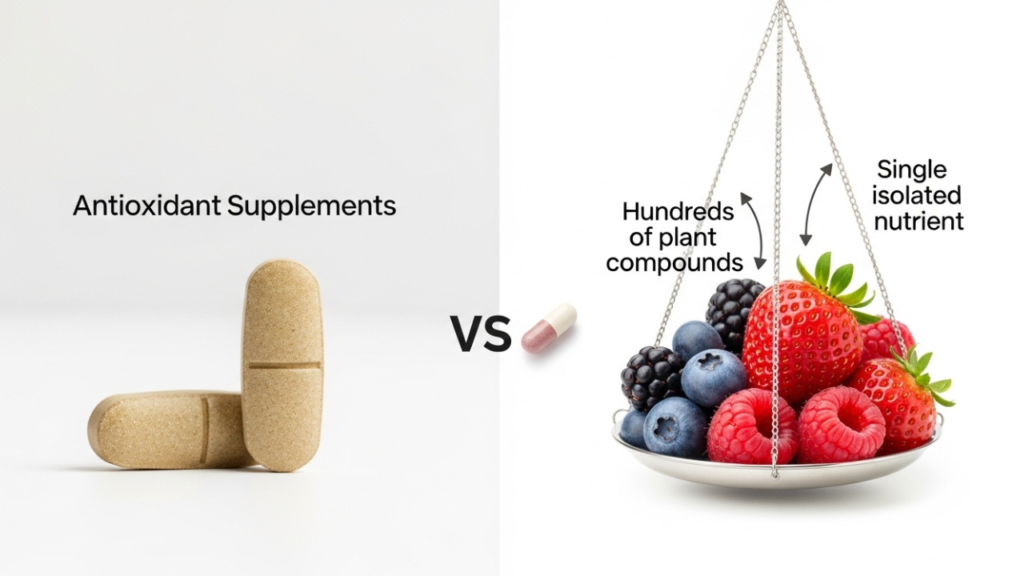
The core reason supplements consistently underperform in human trials compared to food comes down to the difference between an isolated compound and a whole food ecosystem. When you eat a blueberry, you consume anthocyanins, quercetin, resveratrol, Vitamin C, Vitamin K, manganese, fiber, and dozens of other compounds all working simultaneously. They enhance each other’s absorption, regenerate each other after neutralizing free radicals, and protect different cell types simultaneously.
A supplement contains one or a few isolated compounds in doses far higher than you would get from food, stripped of their natural companions, often in forms with different absorption characteristics than their food-based counterparts. The evidence consistently shows this is less effective and potentially riskier. Research from the Harvard T.H. Chan School of Public Health puts it plainly: the evidence clearly supports getting antioxidants from foods rather than supplements.
The beta-carotene problem
The beta-carotene story is one of the most important cautionary tales in nutritional supplement research. In observational studies, people with high blood levels of beta-carotene had lower rates of lung cancer. The hypothesis was that beta-carotene supplements might reduce lung cancer risk in smokers.
Two large randomized controlled trials, the CARET trial and the ATBC trial, tested this directly. Both were stopped early because participants taking high-dose beta-carotene supplements had higher rates of lung cancer and cardiovascular disease, not lower. Both trials included large numbers of smokers.
The probable explanation: at high doses in the oxidative environment created by cigarette smoke, beta-carotene can behave as a pro-oxidant rather than an antioxidant, actually generating free radicals rather than neutralizing them. The food form, embedded in the complex matrix of a whole carrot with hundreds of other compounds, does not behave the same way.
The Vitamin E story
Vitamin E had years of promising observational data before large clinical trials ran. In the Nurses’ Health Study, women with high Vitamin E intake from food had significantly lower rates of heart disease. Supplementation seemed like an obvious next step.
The HOPE trial tested 400 IU of Vitamin E daily in people with existing cardiovascular disease. No cardiovascular benefit was found. A later analysis suggested increased risk of heart failure in the supplemented group. The SELECT trial tested Vitamin E supplementation for prostate cancer prevention. It was stopped early when the supplemented group showed a higher rate of prostate cancer than the placebo group.
The evidence against high-dose Vitamin E supplementation in healthy people is now substantial enough that major health organizations do not recommend it.
When antioxidant supplements do make sense
This is not a blanket condemnation of all supplementation. There are specific circumstances where antioxidant supplements are appropriate and evidence-supported.
Diagnosed deficiency: If a blood test confirms you are deficient in Vitamin C, Vitamin E, selenium, or another antioxidant nutrient, supplementation is appropriate and recommended.
Age-related macular degeneration: The AREDS2 formula (Vitamin C, Vitamin E, zinc, copper, lutein, zeaxanthin) has strong evidence for slowing progression of intermediate-to-advanced age-related macular degeneration. This is one of the most clearly evidence-supported uses of antioxidant supplementation.
Specific medical situations: People recovering from major illness or surgery may have elevated oxidative stress and nutritional gaps that supplements help address. This should be guided by a healthcare provider.
Conditions affecting absorption: Certain digestive conditions reduce the absorption of fat-soluble antioxidants. A healthcare provider may recommend supplementation.
The specific supplements with the best evidence
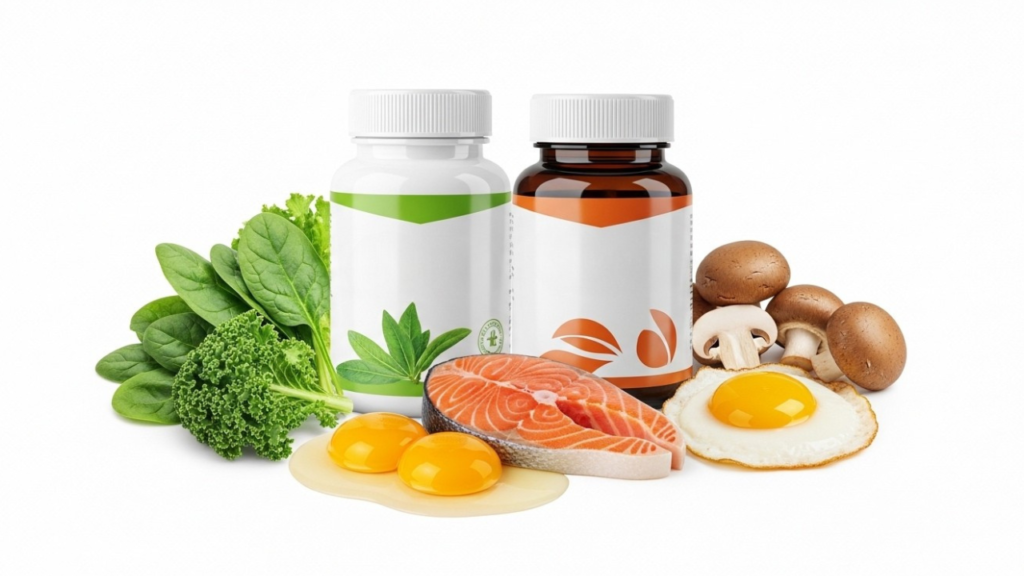
If you are going to supplement, these are the antioxidant-related compounds with the strongest evidence in specific contexts.
Lutein and zeaxanthin: For eye health and macular degeneration prevention, particularly in people who do not regularly eat leafy greens. Evidence is solid.
Coenzyme Q10 (CoQ10): People taking statin medications have reduced CoQ10 production as a side effect. Supplementation may help reduce statin-associated muscle pain. Also relevant for people over 50 as natural CoQ10 production declines.
Vitamin D: Not strictly an antioxidant but strongly linked to reduced oxidative stress and inflammation. The majority of adults in most countries are deficient, making this the supplement with the broadest applicable evidence base.
Alpha-lipoic acid: Shows genuine promise for metabolic health and nerve protection, and uniquely works in both water and fat-based environments. Evidence is strongest for diabetic neuropathy.
The food vs supplement comparison
Here is why food wins consistently in the research. A whole food delivers hundreds of compounds all working simultaneously and synergistically. They are packaged in a delivery system that evolved alongside the human digestive system over hundreds of thousands of years. A supplement contains one or a few isolated compounds in doses far higher than you would get from food, stripped of their natural companions.
The evidence consistently shows this is less effective and potentially riskier. Food-based antioxidants have a track record spanning thousands of years of human diet. Isolated high-dose antioxidant supplements have a track record of a few decades, and it is not encouraging for healthy people taking them preventively.
What to buy if you are going to supplement
If you have assessed your situation and still want to supplement, here is the most evidence-based approach: choose whole food supplements over isolated compounds where available. Look for third-party testing certifications (NSF, USP, or Informed Sport). Avoid megadose formulations. Stick to doses near the recommended daily value rather than the 500-1,000% doses found in many supplements. Focus on specific deficiencies rather than broad antioxidant coverage. Tell your doctor what you are taking, since some antioxidant supplements interact with medications.
Treat supplements as a complement to a good diet, not a substitute for one.
Frequently Asked Questions (FAQs)
Placebo effect accounts for some of this. For others, supplementation is correcting a genuine deficiency they were not aware of. And some supplements do have genuine effects, just not the sweeping benefits claimed by marketing.
Not necessarily. The harmful effects seen with beta-carotene and Vitamin E in large trials used supplements derived from natural sources. The issue is dose and isolation, not natural versus synthetic.
These are generally safer than isolated high-dose supplements because the compounds come in lower, more food-like doses. The actual antioxidant content varies enormously by product, and many are overpriced relative to what you could get from actual food.
Topical antioxidants like Vitamin C serum and Vitamin E cream do have evidence for protecting skin from UV-induced oxidative damage. This is one area where the antioxidant supplement concept translates more reliably.
Do not stop any supplement without discussing it with your doctor, particularly if you are taking it for a specific condition. The evidence against supplementation is strongest for healthy people taking high-dose isolated antioxidants preventively.
The Bottom Line
The antioxidant supplement industry is built on a very logical-sounding premise that falls apart in large-scale human trials. Save the supplement budget, eat more plants, drink more tea, and use olive oil as your cooking fat. That combination delivers everything the supplements promised, and more reliably.