
Have you ever felt your stomach drop right before a hard conversation? Or noticed you suddenly feel hungry after a stressful afternoon, even though you ate an hour ago? That is not just nerves. That is your gut and brain talking to each other in real time.
Most of us learned in school that the brain is in charge of everything. What nobody mentioned is that your gut actually sends more signals up to your brain than your brain sends down to your gut. Scientists have been studying this relationship for decades, and what they have found genuinely changes how we should think about food, mood, and everyday health.
Your Gut and Your Brain Are Always Talking
The connection between your gut and brain is called the gut-brain axis. It is a two-way communication system that links your brain and spinal cord with the nervous system inside your digestive tract, which contains over 500 million nerve cells.
Your gut and brain stay in constant contact through nerve signals, hormones, and chemicals produced by your gut bacteria. The main road connecting them is a nerve called the vagus nerve, which runs from your brainstem all the way down into your belly. Signals travel in both directions along this nerve at the same time.
The practical point is simple: what happens in your gut does not stay in your gut. It goes straight to your brain and affects how you think, feel, and function every single day.
The Bacteria in Your Gut Affect How You Feel
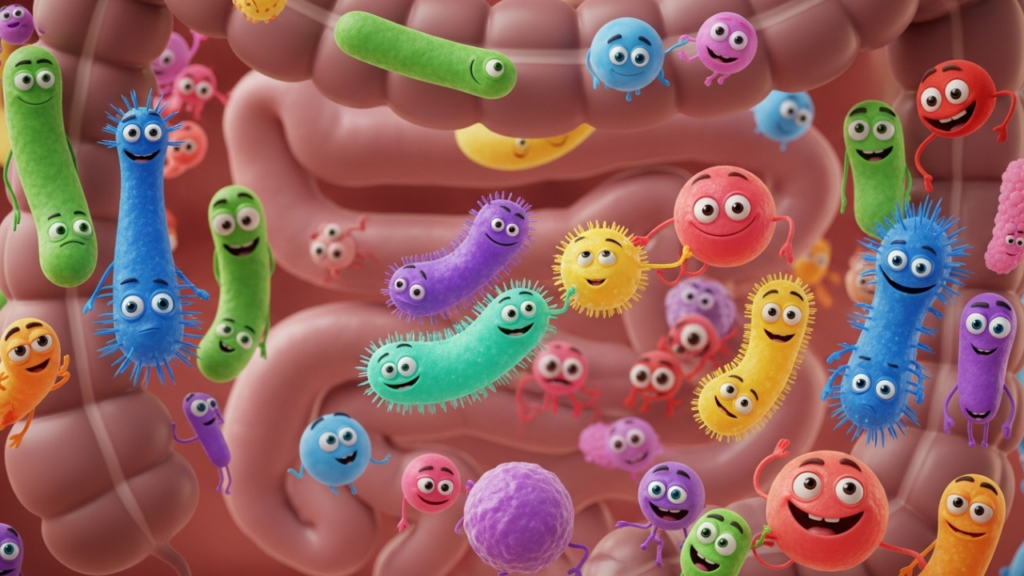
Inside your digestive system lives a community of roughly 100 trillion microorganisms, including bacteria, fungi, and other tiny organisms. This community is called your gut microbiome. It does far more than help digest your food. It actively produces brain chemicals, the very same ones your brain relies on to manage mood, sleep, focus, and emotion.
Your Gut Makes Most of Your Happiness Chemical
This is the part that surprises most people when they first hear it.
About 90% of the serotonin in your body is made in your gut, not your brain. Serotonin is the chemical most connected to feeling stable, sleeping well, and having a general sense of wellbeing. When the bacteria in your gut are disrupted, serotonin production drops and your mood tends to follow.
Your gut also produces GABA, a calming brain chemical made by specific gut bacteria. GABA helps reduce anxiety and quiet racing thoughts. And your gut bacteria produce building blocks that help your brain make dopamine, the chemical linked to motivation and focus.
The Calming Compounds Your Gut Produces
When you eat fiber, your gut bacteria break it down and produce small protective compounds that travel through your bloodstream and interact with brain cells. These compounds influence mood, appetite, and inflammation throughout your body.
Think of it this way: every time you eat fiber-rich food, you are sending a message to your brain. The quality of that message depends on the health of your gut bacteria.
What Happens When Your Gut Gets Out of Balance
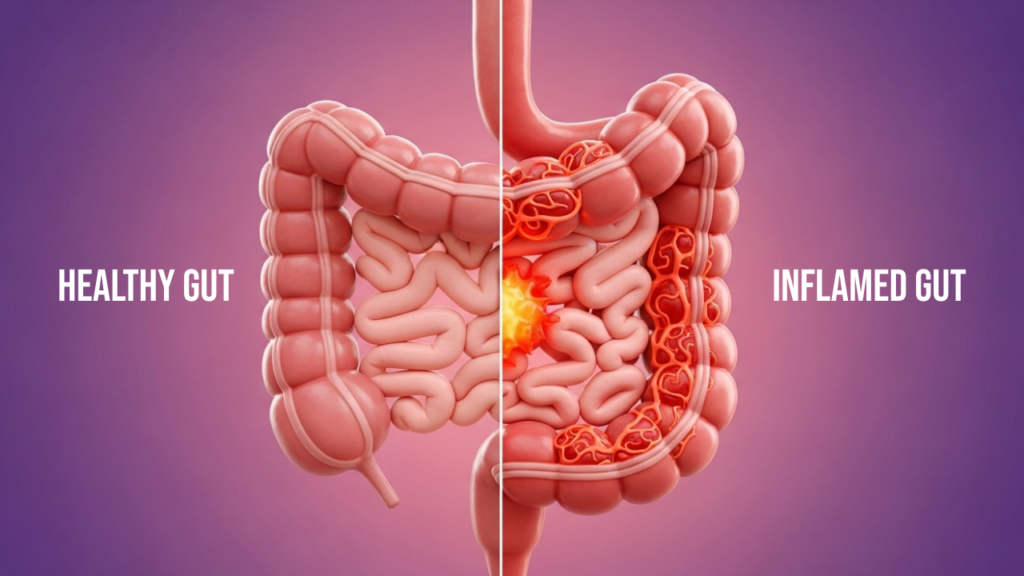
When the community of bacteria in your gut falls out of balance, the effects can be wide-reaching. Research published in Nature links an unhealthy gut to depression, anxiety, ongoing brain fog, irritable bowel syndrome, and even serious conditions like Alzheimer’s and Parkinson’s disease.
Chronic stress, poor sleep, too much sugar, highly processed foods, and unnecessary antibiotic use are the main things that push your gut bacteria in the wrong direction. The good news is that your gut bacteria respond to dietary changes quickly, sometimes within just a few days.
8 Best Foods to Feed Your Gut and Brain
1. Yogurt with Live Cultures Look for yogurts that say “live and active cultures” on the label. The good bacteria in yogurt help your gut produce serotonin and calming brain chemicals. Avoid yogurts that have been heat-treated after fermentation because the heating kills the live bacteria. Best for: mood support, reducing anxiety, gut lining health.
2. Fermented Vegetables (Kimchi, Sauerkraut) Naturally fermented vegetables help diversify your gut bacteria quickly. A more varied gut community is one of the strongest predictors of good mental health outcomes. Best for: gut diversity, reducing inflammation, immune function.
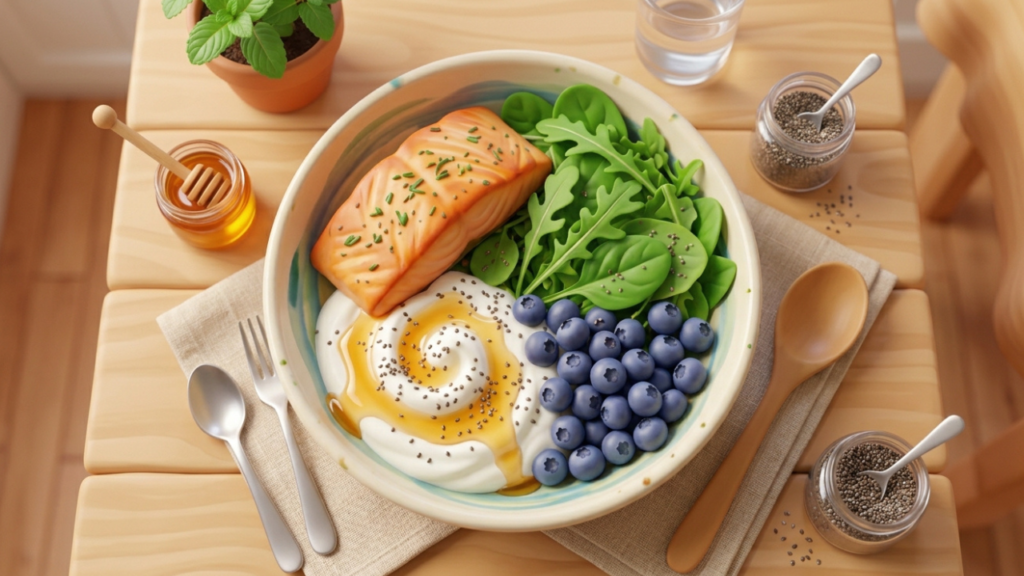
3. Blueberries Blueberries contain natural plant compounds that act like food for your good gut bacteria. They are now the top ingredient consumers associate with brain health, having overtaken matcha and turmeric in 2026 trends. Best for: brain health, antioxidant protection, prebiotic fiber.
4. Fatty Fish (Salmon, Sardines, Mackerel) The healthy fats in fatty fish promote the growth of beneficial gut bacteria while suppressing harmful ones. Research confirms their direct anti-inflammatory effect on the gut-brain connection. Best for: gut inflammation, gut balance, mood improvement.
5. Lentils, Chickpeas, and Black Beans These are among the richest plant fiber sources available, and they help your gut bacteria produce protective compounds that support brain health and mood. Best for: brain-protective compounds, blood sugar stability, gut diversity.
6. Whole Grains (Oats, Brown Rice, Quinoa) Oats in particular contain a fiber that selectively feeds good gut bacteria. Whole grains also keep your blood sugar stable, which prevents the mood crashes that refined carbs cause. Best for: sustained energy, gut bacteria fuel, gut lining health.
7. Garlic and Onions These are high in plant fibers that are among the most well-studied food sources for stimulating beneficial gut bacteria. Easy to cook with daily and genuinely effective. Best for: feeding good bacteria, immune support, gut health.
8. Green Tea Green tea contains a compound called L-theanine that promotes calm focus without jitteriness. Its plant compounds also feed beneficial gut bacteria and reduce gut inflammation. Regular green tea drinkers show improved gut bacteria and lower anxiety markers. Best for: calm focus, gut inflammation, gut support.
Foods That Work Against the Gut-Brain Connection
According to Frontiers in Microbiology, these common dietary habits actively disrupt the gut-brain connection:
- Too much sugar feeds harmful bacteria, throws off gut balance, and triggers body-wide inflammation
- Highly processed foods strip fiber from the diet and introduce additives that reduce gut bacteria variety
- Excess alcohol damages the gut lining, contributing to what researchers call leaky gut, where the gut barrier becomes too permeable
- Saturated and trans fats reduce the growth of beneficial bacteria and cut the production of gut protective compounds
4 Daily Habits That Help Your Gut and Brain

Food is the foundation, but how you live between meals matters too:
- Manage stress actively. Chronic stress changes your gut bacteria and weakens the gut lining. Deep breathing, regular movement, and mindfulness all measurably improve gut health. Harvard Health notes this connection clearly.
- Prioritize sleep. Your gut bacteria follow a daily rhythm. Disrupted sleep alters bacterial populations and increases gut permeability.
- Move regularly. Exercise independently increases gut bacteria diversity and boosts the production of protective gut compounds, regardless of diet.
- Stay hydrated. Water helps maintain the gut’s mucus layer, the protective barrier between your bacteria and immune system.
What New Research Is Finding
The science here is moving fast. Stanford Medicine researchers recently found that reduced gut serotonin is a primary driver of thinking and memory problems in long COVID patients. Scientists at Nature have shown that gut bacteria changes need a healthy vagus nerve to influence depression, pointing to the gut as a future target for mental health treatment. And other studies confirm that certain probiotic strains only reduce anxiety when that gut-to-brain nerve pathway is intact.
All of this has given rise to the idea of using specific foods to target mood through the gut. The science is still growing, but the practical dietary advice it supports is already here.
Frequently Asked Questions (FAQs)
Yes, and significantly. Since roughly 90% of serotonin is produced in the gut, your diet directly influences your brain’s supply of this key mood-regulating chemical. A diet rich in fermented foods, fiber, and healthy fats supports better serotonin production over time.
Your gut bacteria can shift measurably within 3 to 5 days of dietary changes. Mood and thinking improvements are typically noticeable within 2 to 4 weeks of consistent dietary improvement.
Adding fermented foods consistently is arguably the fastest way to shift your gut bacteria. Start with one daily serving of yogurt, kefir, or kimchi and build from there.
Yes, directly. When gut bacteria fall out of balance, levels of calming brain chemicals drop. Research shows that specific probiotic strains reduce anxiety through the gut-to-brain nerve pathway.
Not necessarily. Whole food sources of good bacteria and the fiber that feeds them are consistently more effective than supplements, according to Stanford Lifestyle Medicine. Focus on building a varied, plant-rich diet first.
The Bottom Line
Your gut is far more than a digestive organ. It actively co-manages your mood, mental clarity, and emotional resilience every single day. You do not need a complete diet overhaul to feel the difference. Add one fermented food this week, swap refined grains for whole grains, and reach for blueberries instead of processed snacks. Small, consistent changes build a gut community that supports not just better digestion, but a genuinely better state of mind.